
The last week has been excellent. I’ve been to a pool for the first time in lots of years. I’ve ridden my bike most days. On Saturday night, I even suggested to my husband we go for a walk. And today I hopped.
My leg isn’t fully recovered but it is time to build back muscle and fitness… and run a marathon.
Tracking my progress
I’m getting nerdy with this. I want to see how my body changes as I train. There are some obvious things, like I will increase my cardio capacity and increase muscle mass. I might lose weight, but I’m 48 years old and haven’t lost weight running in the last few years, so who knows? It’s not my goal, but might happen. I’m also working more cross-training in than before, so I don’t know what that will do.
How I’m measuring
I’m pulling on a bit of data for this.
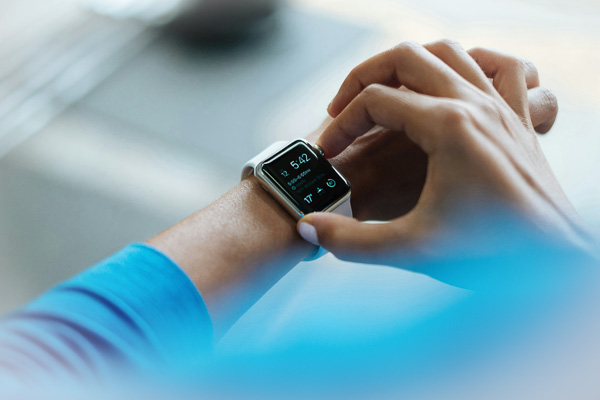
- my Garmin Forerunner 265s watch
- regular inBody scans.
OK, a lot of data from 2 sources. In my head it was 3. My swim membership lets me do an inBody scan every 8 weeks, and it’s probably not useful to look more frequently. I’ll update every 2 months.
Baseline data
InBody scan data
November 22, 2024
| Weight | 77.9 kg |
| Skeletal muscle mass | 27.6 kg |
| Bone mineral content | 2.89 kg |
| Body fat | 36.2% |
| Visceral fat level | 12 |
| Basal metabolic rate | 1,444 kcal |
| Waist-hip ratio | 0.89 |
Garmin data
November 25, 2024
| VO2 max | 35 |
| Average resting heart rate (last 4 weeks) | 63 bpm |
| Predicted 5k time | 32:03 |
| Predicted 10k time | 1:09:34 |
| Predicted half marathon time | 2:52:23 |
| Predicted marathon time | 6:35:42 |
| Predicted Ballarat Marathon time | 6:35:44 |
Current PBs
| 1k | 5:07.9 | 5:08 /km | April 2, 2024 |
| 1 mile | 8:27.6 | 5:15 /km | April 2, 2024 |
| 5k | 29:34 | 5:55 / km | April 20, 2024 |
| 10k | 1:05:45 | 6:34 / km | July 13, 2024 |
| Half marathon | TBC | ||
| Full marathon | TBC | ||
| Longest run | 16.31 km | August 3, 2024 |
Photo by Luke Chesser on Unsplash
 The Running Marketer
Leave a comment